Hiatal Hernia
Hiatal Hernia and Para-oesophageal Hernia
Patient Information
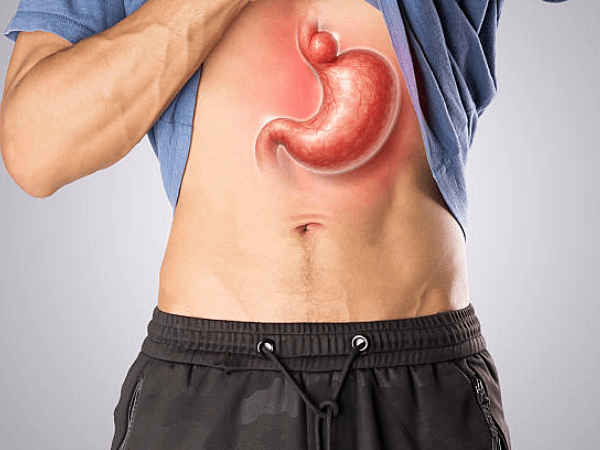
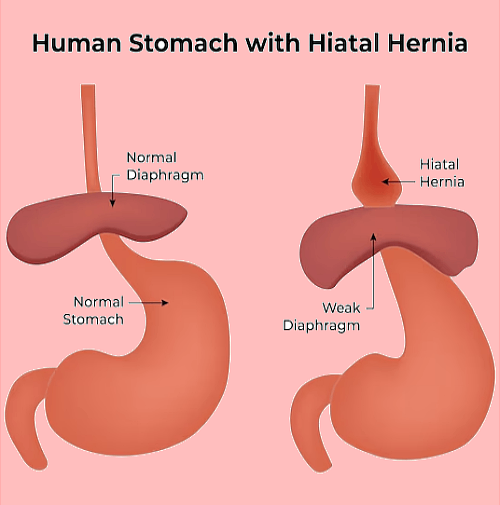
A hiatal hernia occurs when part of the stomach moves up into the chest through the opening in the diaphragm (the hiatus), where the oesophagus passes from the chest into the abdomen.
Hiatal hernias are common and vary in type, size, and clinical significance. Many people have a hiatal hernia without symptoms, while others develop reflux or swallowing problems.
Types of Hiatal Hernia
Sliding Hiatal Hernia (Type I)
This is the most common type.
The junction between the oesophagus and stomach slides up into the chest.
Key points:
Often associated with acid reflux
May contribute to heartburn or regurgitation
Does not usually require surgery unless symptoms are significant and persistent
Para-oesophageal Hernia (Types II–IV)
In a para-oesophageal hernia, part (or all) of the stomach moves into the chest alongside the oesophagus, while the oesophagus stomach junction may remain in its normal position.
Key points:
Less common than sliding hernias
Can increase in size over time
May cause pressure symptoms even without reflux
Some cases carry a risk of complications
Symptoms
Sliding Hiatal Hernia
Symptoms are often related to reflux and may include:
Heartburn
Regurgitation
Chest discomfort
Symptoms worse when lying flat or after meals
Para-oesophageal Hernia
Symptoms may include:
Chest or upper abdominal discomfort
Early fullness when eating
Shortness of breath after meals
Difficulty swallowing
Regurgitation of food
Anaemia due to chronic irritation or ulceration (in some patients)
Some para-oesophageal hernias are discovered incidentally on scans.
When Is Treatment Needed?
Sliding Hiatal Hernia
Often managed with lifestyle measures and medication
Surgery considered only when:
Symptoms persist despite appropriate treatment
There is objective evidence of reflux
Quality of life is significantly affected
Para-oesophageal Hernia
Management depends on:
Symptoms
Hernia size
Patient fitness and overall health
Surgery is commonly recommended for symptomatic para oesophageal hernias because of the risk of progression and complications.
Surgical Repair of Hiatal and Para-oesophageal Hernias
What Surgery Involves
Surgery is usually performed laparoscopically (keyhole surgery) and may include:
Returning the stomach to the abdomen
Repairing the opening in the diaphragm-May need a Mesh reinforcement if the defect is large
Fixing the stomach in position
Adding an anti-reflux procedure where appropriate
The exact approach depends on hernia type, size, and oesophageal function.
Hospital Stay and Recovery
Surgery is performed under general anaesthetic
Typically 1–2 nights in hospital
Gradual reintroduction of diet
Temporary swallowing discomfort can occur and usually improves
After surgery
No driving for 2 weeks
No lifting more than 2 kg (a full kettle) for 4 weeks
Gentle walking encouraged
Gradual return to normal activity
Expected Outcomes
In appropriately selected patients, surgery is associated with:
Relief of pressure and swallowing symptoms
Improvement in reflux where present
Reduced risk of hernia-related complications
Long-term follow-up is important, particularly for larger hernias.
Important Reassurance
Not all hiatal hernias require surgery
Para-oesophageal hernias are assessed individually
Surgery is planned based on anatomy, symptoms, and risk
Treatment decisions are evidence-based and personalised
Hiatal Hernia – Frequently Asked Questions
Common queries related to the Hiatal Hernia.
Is a hiatal hernia the same as acid reflux?
Do all para-oesophageal hernias need surgery?
Is surgery always urgent?
Will surgery stop reflux completely?
Can the hernia come back after surgery?
Is this major surgery?
When should I seek specialist assessment?
Key Message for Patients
Hiatal and para-oesophageal hernias are common and treatable conditions.
Accurate diagnosis, careful selection for surgery, and experienced surgical management are central to achieving good outcomes.
About Us
Consultant-led clinic providing expert surgical care with a focus on patient well-being.
Treatment for
Our Branches
Spire South Bank Hospital:
139 Bath Rd, Worcester, WR5 3YB, UK
©2026 EliteSurgix. All rights reserved