Gallbladder Surgery
Gallbladder Surgery (Laparoscopic Cholecystectomy)
Patient Information
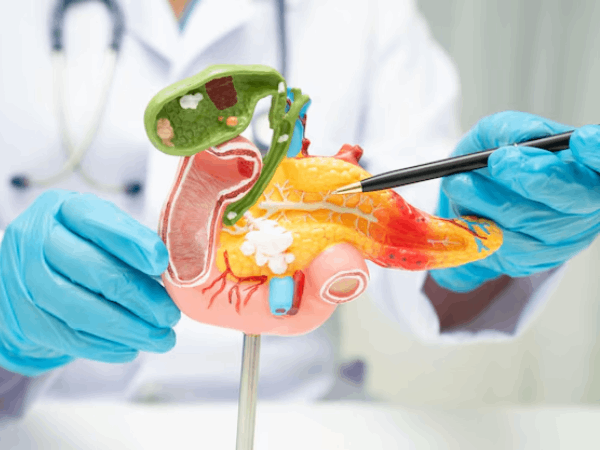
Gallbladder surgery, known as laparoscopic cholecystectomy, is the most effective and widely accepted treatment for symptomatic gallbladder disease. It is a minimally invasive (keyhole) operation to remove the gallbladder and prevent further gallbladder-related pain or complications.
Why Is Gallbladder Surgery Recommended?
Gallbladder surgery is recommended when gallbladder disease causes symptoms or complications. Once symptoms begin, they usually recur and may worsen over time.
Common reasons for surgery include:
Recurrent gallstone pain (biliary colic)
Acute or chronic cholecystitis (inflammation of the gallbladder)
Gallbladder polyps that meet surgical criteria
Gallbladder dysfunction or biliary dyskinesia (in selected patients)
Complications such as pancreatitis or bile duct stones
Surgery removes the source of the problem and prevents future attacks.
What Is a Laparoscopic Cholecystectomy?
A laparoscopic cholecystectomy removes the gallbladder using small incisions and a camera. The gallbladder is not an essential organ, and bile continues to flow normally from the liver into the intestine after surgery.
Key points:
Performed under general anaesthetic
Usually takes 45–60 minutes
Uses 3–4 small incisions
Gallbladder is removed completely
Most patients go home the same day
What to Expect Before Surgery
Before surgery you will have:
A clinical assessment
Review of ultrasound and blood tests
Discussion of benefits and risks
Pre-operative instructions (fasting, medications)
You will usually be asked not to eat or drink for several hours before the operation.
What Happens During the Operation?
You will be fully asleep under general anaesthetic
Small incisions are made in the abdomen
A camera and instruments are used to remove the gallbladder
The gallbladder is removed through one of the incisions
The wounds are closed with dissolvable stitches
If bile duct stones are suspected, additional imaging or treatment may be arranged separately.
After Surgery – Recovery
Immediately after surgery
You will wake up in recovery
Most patients can eat and drink within a few hours
Mild abdominal discomfort or shoulder-tip pain is common and temporary
You will usually go home the same day
Activity and Recovery at Home
Most people recover quickly following keyhole gallbladder surgery.
General recovery timeline
Light activities: within a few days
Return to desk-based work: about 1 week
Return to full activities: gradually over 4 weeks
Important post-operative guidance
Do not drive for 2 weeks
Do not lift more than 2 kg (a full kettle) for 4 weeks
Gentle walking is encouraged
Avoid strenuous exercise until advised
These restrictions help protect healing and reduce complications.
Diet After Gallbladder Surgery
Most people can eat normally after surgery.
Start with light meals initially
Gradually return to a normal diet
Some patients notice looser stools early on — this usually settles
Long-term dietary restriction is not usually required
Benefits of Gallbladder Removal
Prevents further gallstone attacks
Removes risk of gallbladder inflammation and infection
Prevents gallstone-related pancreatitis
Gallstones cannot recur once the gallbladder is removed
Significant improvement in quality of life for symptomatic patients
Risks of Gallbladder Surgery
Gallbladder surgery is very safe, but all surgery carries some risk.
Common and usually mild
Pain or bruising at incision sites
Shoulder-tip pain for a few days
Temporary bloating or altered bowel habit
Less common
Infection
Bleeding
Bile leak
Injury to surrounding structures (rare)
All risks are discussed during consultation and every effort is made to minimise them.
Gallbladder & Biliary Conditions
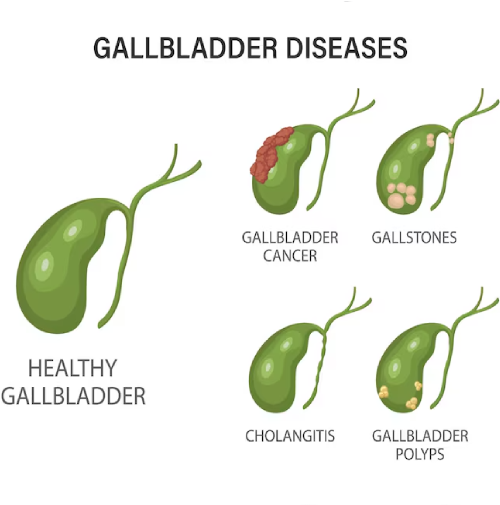
The gallbladder is a small organ located under the liver that stores bile, a fluid produced by the liver to help digest fats. Problems arise when bile flow is disrupted, the gallbladder becomes inflamed, or stones or other abnormalities develop.
Gallbladder conditions are common and usually treatable, most often with minimally invasive (keyhole) surgery where appropriate.
Gallbladder Stones (Cholelithiasis)
Gallbladder stones form when bile becomes concentrated and crystallises inside the gallbladder. Many people have gallstones without symptoms, but once symptoms develop they tend to recur.
Common symptoms
Pain in the upper right or central abdomen, often after eating
Pain that may spread to the back or right shoulder
Nausea or vomiting
Bloating or indigestion
Treatment
Asymptomatic gallstones usually do not require treatment
Symptomatic gallstones are best treated with laparoscopic cholecystectomy (keyhole removal of the gallbladder)
Medication and diet changes do not remove stones and are not a long-term solution
Gallbladder Polyps
Gallbladder polyps are growths arising from the gallbladder lining.
Most are benign cholesterol polyps and do not cause harm.
When are polyps concerning?
Risk of cancer is low, but increases with:
Size ≥10 mm
Increase in size on follow-up scans
Associated risk factors (e.g. age >50, primary sclerosing cholangitis)
Management
Small polyps are monitored with ultrasound
Polyps ≥10 mm or those that grow are usually treated with gallbladder removal
Surgery removes the gallbladder and eliminates future cancer risk from the polyp
Gallbladder Dysfunction / Biliary Dyskinesia
Some patients experience typical gallbladder pain despite no stones being seen on ultrasound. This can occur when the gallbladder does not empty properly or is chronically inflamed.
Symptoms
Recurrent right-sided upper abdominal pain
Pain after fatty meals
Nausea or bloating
Normal ultrasound scans
Diagnosis
Diagnosis is based on:
Typical symptom pattern
Exclusion of other causes
Supporting tests where appropriate
Treatment
In carefully selected patients, laparoscopic cholecystectomy can significantly improve symptoms.
Chronic Acalculous Cholecystitis
This is long-standing inflammation of the gallbladder without gallstones.
It may not always be visible on scans but is often confirmed after surgery on tissue analysis.
Symptoms
Recurrent gallbladder-type pain
Digestive discomfort
Reduced quality of life
Treatment
Gallbladder removal is the definitive treatment when symptoms are persistent and other causes have been excluded.
Acute Cholecystitis (Urgent Condition)
Acute cholecystitis occurs when a gallstone blocks the gallbladder outlet, causing inflammation and infection.
Symptoms
Severe, constant upper abdominal pain
Fever
Nausea and vomiting
Tenderness under the right ribs
Management
This condition requires urgent medical assessment.
Treatment usually involves antibiotics and planned gallbladder surgery once inflammation has settled.
Bile Duct Stones (Choledocholithiasis)
Sometimes gallstones move from the gallbladder into the bile duct.
Symptoms
Jaundice (yellowing of skin or eyes)
Dark urine, pale stools
Abdominal pain
Infection (cholangitis) or pancreatitis in severe cases
Management
Stones in the bile duct are usually removed with ERCP (endoscopic procedure)
Gallbladder removal is then recommended to prevent recurrence
Patients are triaged appropriately and referred for ERCP when required.
Surgical Treatment – Laparoscopic Cholecystectomy
For most symptomatic gallbladder conditions, the recommended treatment is laparoscopic (keyhole) removal of the gallbladder.
Key points
Performed through small incisions
Typically a same-day procedure
Does not affect long-term digestion for most patients
Gallstones cannot recur once the gallbladder is removed
Recovery and Aftercare
Most patients:
Go home the same day
Resume light activities within days
Post-operative guidance
No driving for 2 weeks
No lifting more than 2 kg (a full kettle) for 4 weeks
Gradual return to normal activities
These restrictions help protect healing and reduce complications.
When to Seek Medical Advice
You should seek medical assessment if you experience:
Recurrent upper abdominal pain
Pain associated with eating
Jaundice or fever
Ongoing symptoms despite normal scans
Early assessment allows accurate diagnosis and timely treatment.
Gallbladder & Biliary Conditions – Frequently Asked Questions
Common queries related to the Gallbladder & Biliary Conditions.
Gallbladder Stones (Cholelithiasis)
What are gallstones?
Do gallstones always cause symptoms?
What symptoms do gallstones cause?
Can gallstones be treated without surgery?
What is the recommended treatment for symptomatic gallstones?
Is gallbladder removal safe?
Gallbladder Polyps
What are gallbladder polyps?
Do gallbladder polyps cause symptoms?
Can gallbladder polyps turn into cancer?
Do all gallbladder polyps need surgery?
Does surgery remove the cancer risk?
Gallbladder Dysfunction / Biliary Dyskinesia
Can I have gallbladder pain without gallstones?
What symptoms suggest gallbladder dysfunction?
How is gallbladder dysfunction diagnosed?
Is surgery helpful for gallbladder dysfunction?
Chronic Acalculous Cholecystitis
What is chronic acalculous cholecystitis?
How is it diagnosed?
What is the treatment?
Acute Cholecystitis
What is acute cholecystitis?
What symptoms require urgent medical attention?
How is acute cholecystitis treated?
Bile Duct Stones (Choledocholithiasis)
What are bile duct stones?
What symptoms can bile duct stones cause?
How are bile duct stones treated?
Gallbladder Surgery – Key Questions
Is gallbladder surgery a day-case procedure?
Will my digestion change after gallbladder removal?
Can gallstones come back after surgery?
What are the activity restrictions after surgery?
When Should I Seek Medical Advice?
Key Message for Patients
Acid reflux is treatable
Careful assessment matters
Treatment is individualised
Surgery is considered only when appropriate
Clear advice and follow-up are essential for good outcomes
Book Your Consultation Today
If you are experiencing symptoms for gallstone, gallbladder polyps, adenomyomatosis, gallbladder dyskinesia or dysfunction, a specialist consultation can help determine whether gall bladder surgery is appropriate for you. A personalised assessment ensures safe decision-making and the best possible outcome.
About Us
Consultant-led clinic providing expert surgical care with a focus on patient well-being.
Treatment for
Our Branches
Spire South Bank Hospital:
139 Bath Rd, Worcester, WR5 3YB, UK
©2026 EliteSurgix. All rights reserved