Treatments
Comprehensive Solutions
Expert Surgical Care

Medical Weightloss
Medical weight loss is a structured, doctor-led program designed to help patients lose weight safely and effectively without surgery. It involves a personalised plan that may include dietary advice, lifestyle changes, exercise guidance, behavioural support, and weight loss medications when appropriate.
Your medical team will assess your overall health, body mass index (BMI), and any weight-related conditions such as diabetes or high blood pressure. Regular follow-up appointments are arranged to monitor progress, adjust treatment, and provide ongoing support to help you achieve and maintain long-term weight control.
Bariatric Surgery
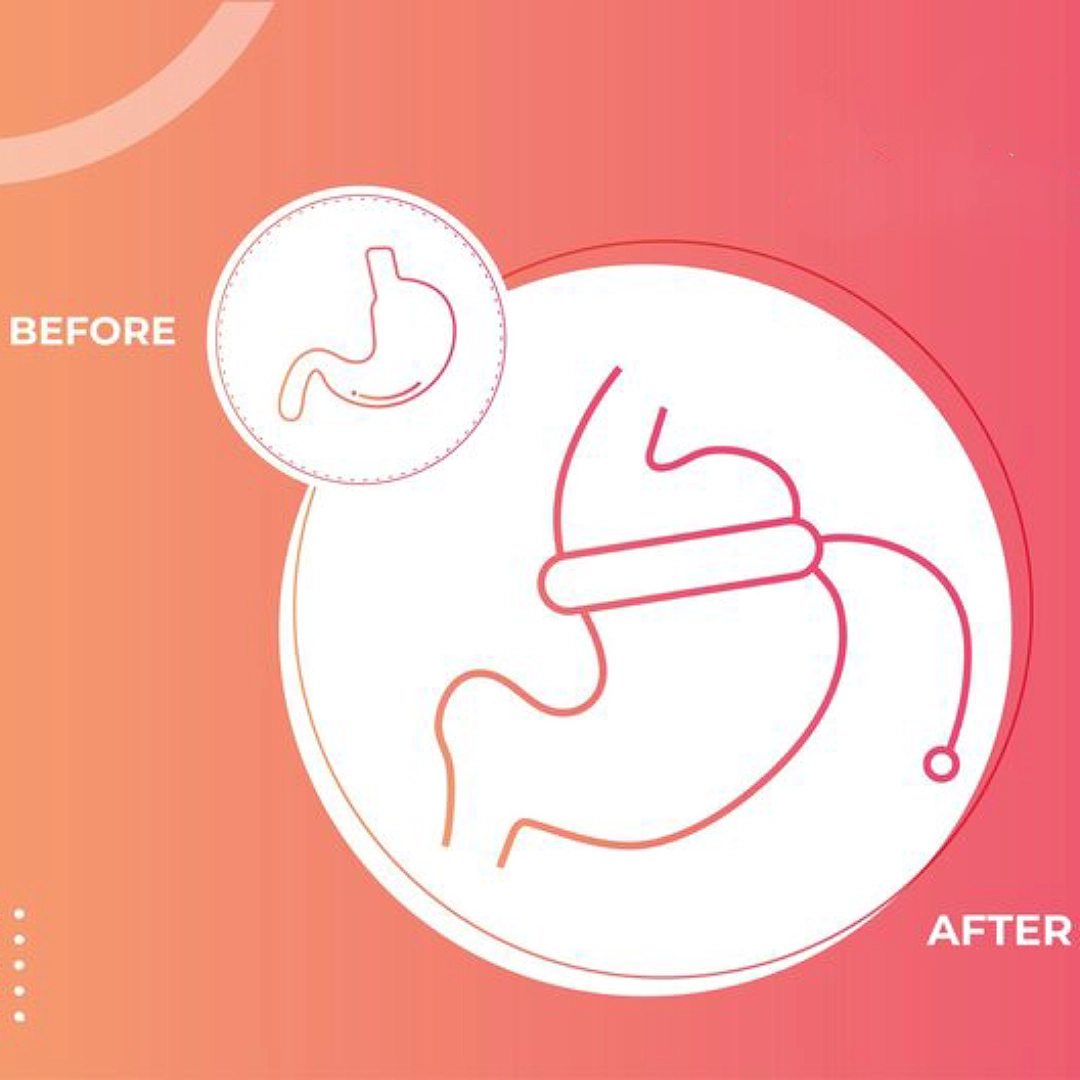
Bariatric surgery is performed to help patients achieve significant and sustained weight loss when other methods have not been successful. The operation is usually carried out using keyhole (laparoscopic) techniques, involving several small incisions in the abdomen to insert a camera and specialised instruments.
Common procedures include sleeve gastrectomy (removal of a portion of the stomach) or gastric bypass (reducing stomach size and rerouting part of the intestine). These procedures work by limiting food intake and/or reducing calorie absorption. Bariatric surgery can also improve or resolve conditions such as type 2 diabetes, high blood pressure, and sleep apnoea.
Acid Reflux Treatment
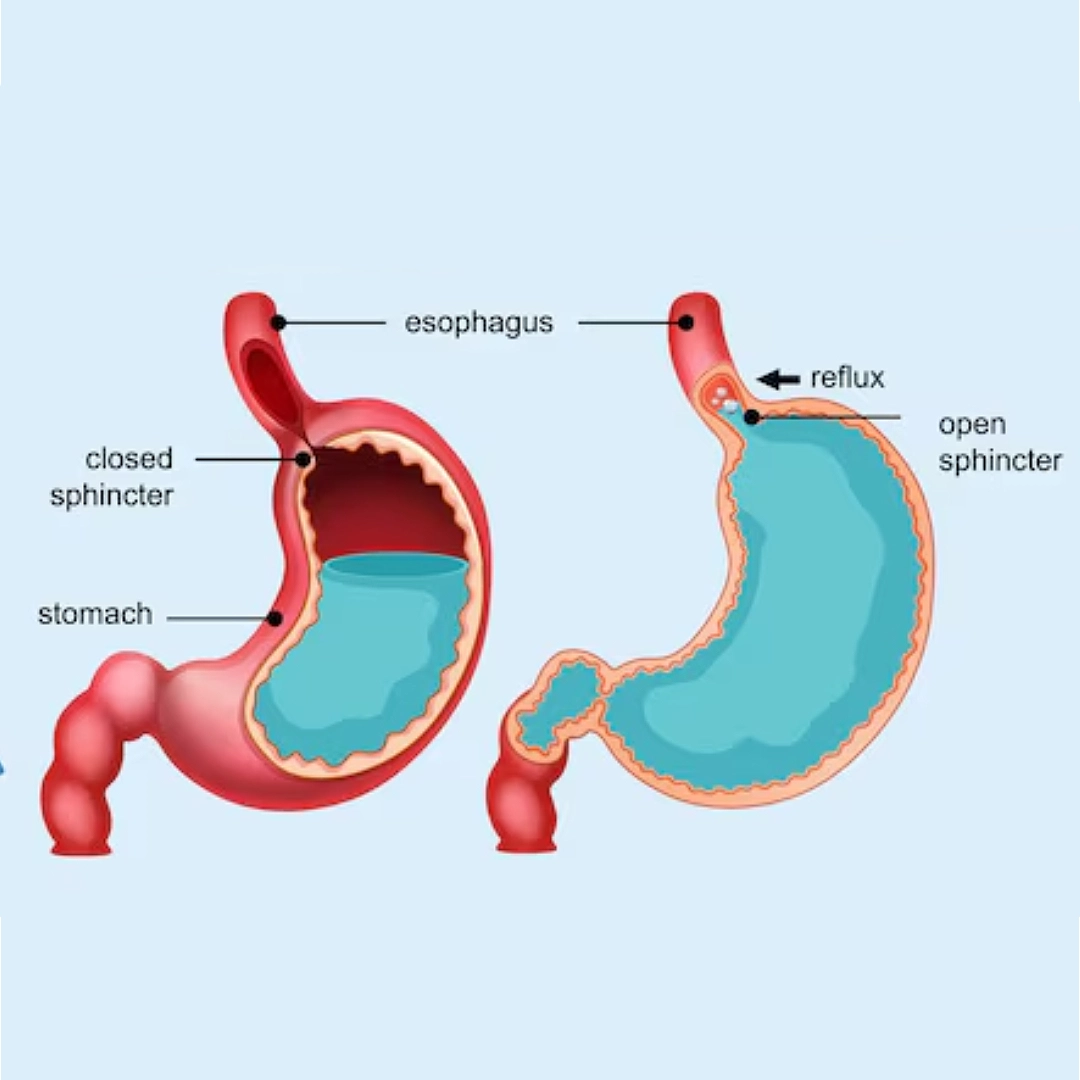
Surgical treatment for acid reflux is recommended when symptoms are severe or do not respond to medication. The procedure is usually performed laparoscopically through small abdominal incisions. The abdomen is inflated with gas to allow clear visibility and safe access to the organs.
The upper part of the stomach is wrapped around the lower end of the oesophagus to strengthen the valve mechanism and prevent acid from flowing back into the gullet. If a hiatal hernia is present, it may be repaired during the same procedure. The goal is to relieve symptoms such as heartburn, regurgitation, and chest discomfort.
Hiatal Hernia
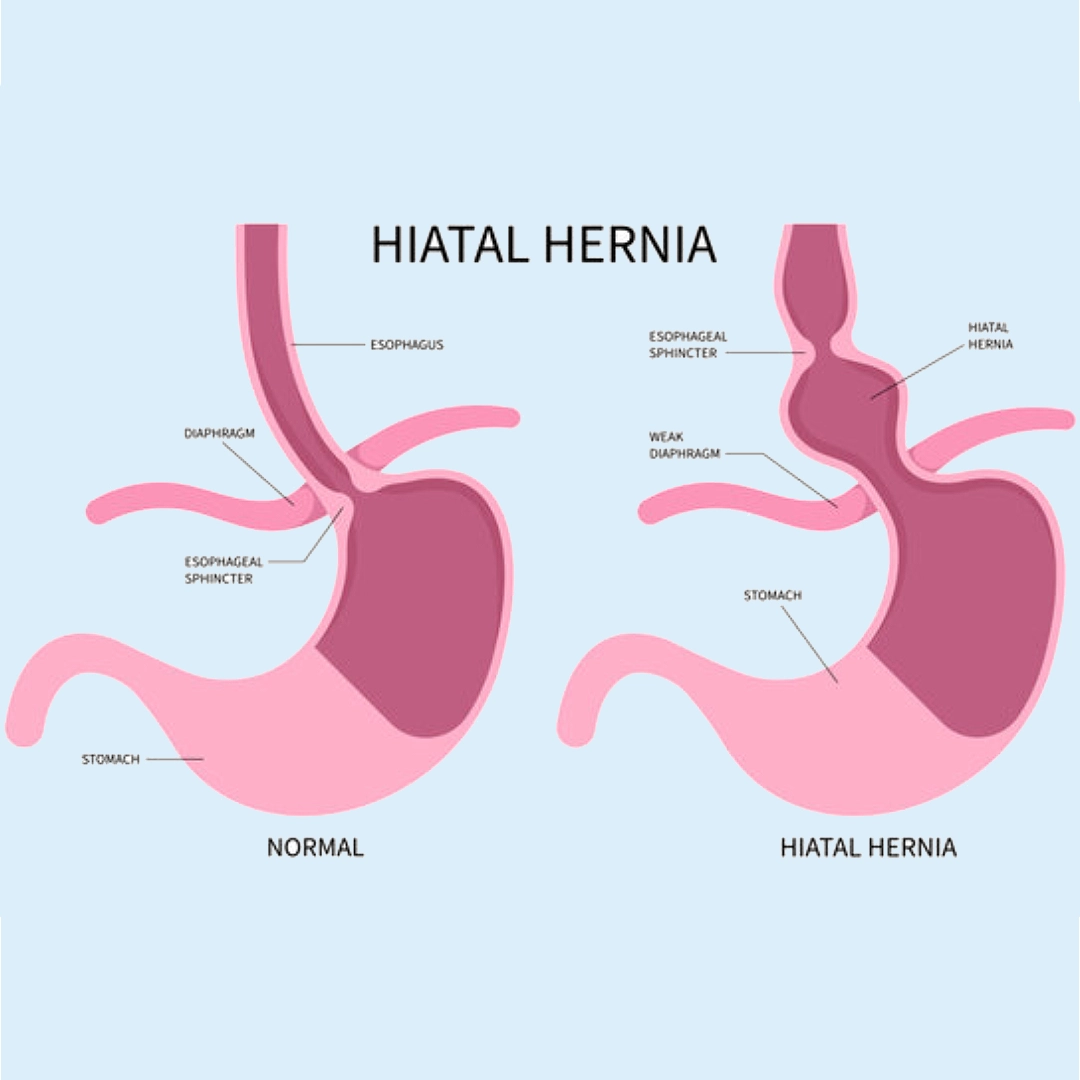
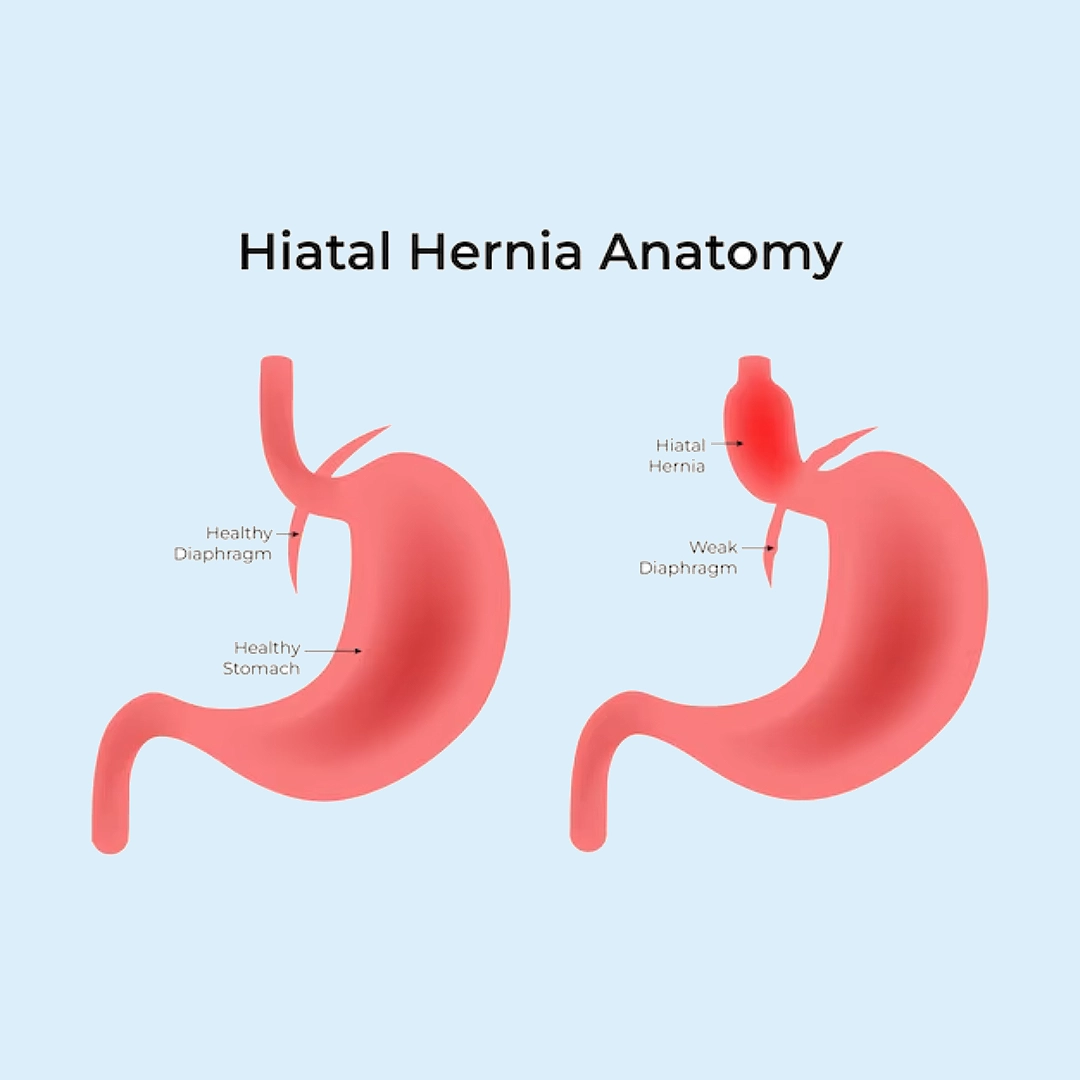
Hiatal hernia repair is a surgical procedure performed when part of the stomach pushes up through the diaphragm into the chest cavity, causing symptoms such as reflux, chest pain, or difficulty swallowing. The operation is usually done using minimally invasive (keyhole) surgery with small incisions in the abdomen.
During the procedure, the stomach is gently pulled back into its normal position below the diaphragm. The opening in the diaphragm is tightened with stitches to prevent recurrence. In many cases, an anti-reflux procedure is performed at the same time to reduce acid reflux symptoms.
Achalasia
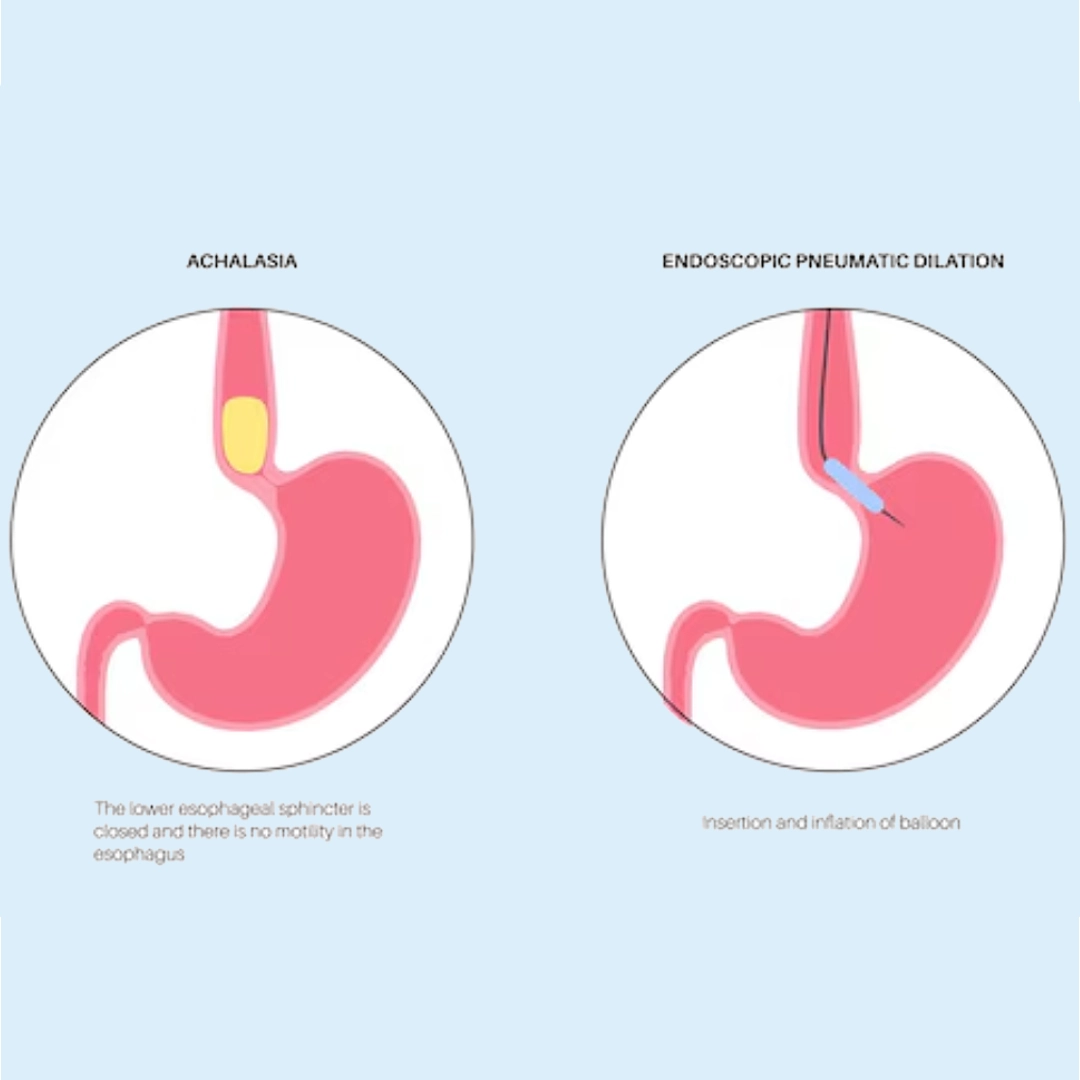
Achalasia is a condition where the lower oesophageal sphincter (valve) fails to relax properly, making it difficult for food and liquids to pass into the stomach. Surgical treatment is typically performed using keyhole techniques.
The procedure (Heller’s myotomy) involves carefully cutting the tight muscle fibres at the lower end of the oesophagus to allow easier swallowing. An anti-reflux procedure may also be carried out to reduce the risk of acid reflux following surgery. This treatment aims to relieve symptoms such as difficulty swallowing, regurgitation, and chest pain.
Hernia Repair
Hernia repair is performed when an internal organ or tissue pushes through a weak area in the abdominal wall, causing a visible bulge and discomfort. The surgery may be done using open or laparoscopic (keyhole) techniques.
During the operation, the protruding tissue is returned to its proper position. The weakened area is then strengthened, often using a synthetic mesh, to reduce the risk of recurrence. The procedure aims to relieve pain, prevent complications, and restore normal function.
Gallbladder Treatment
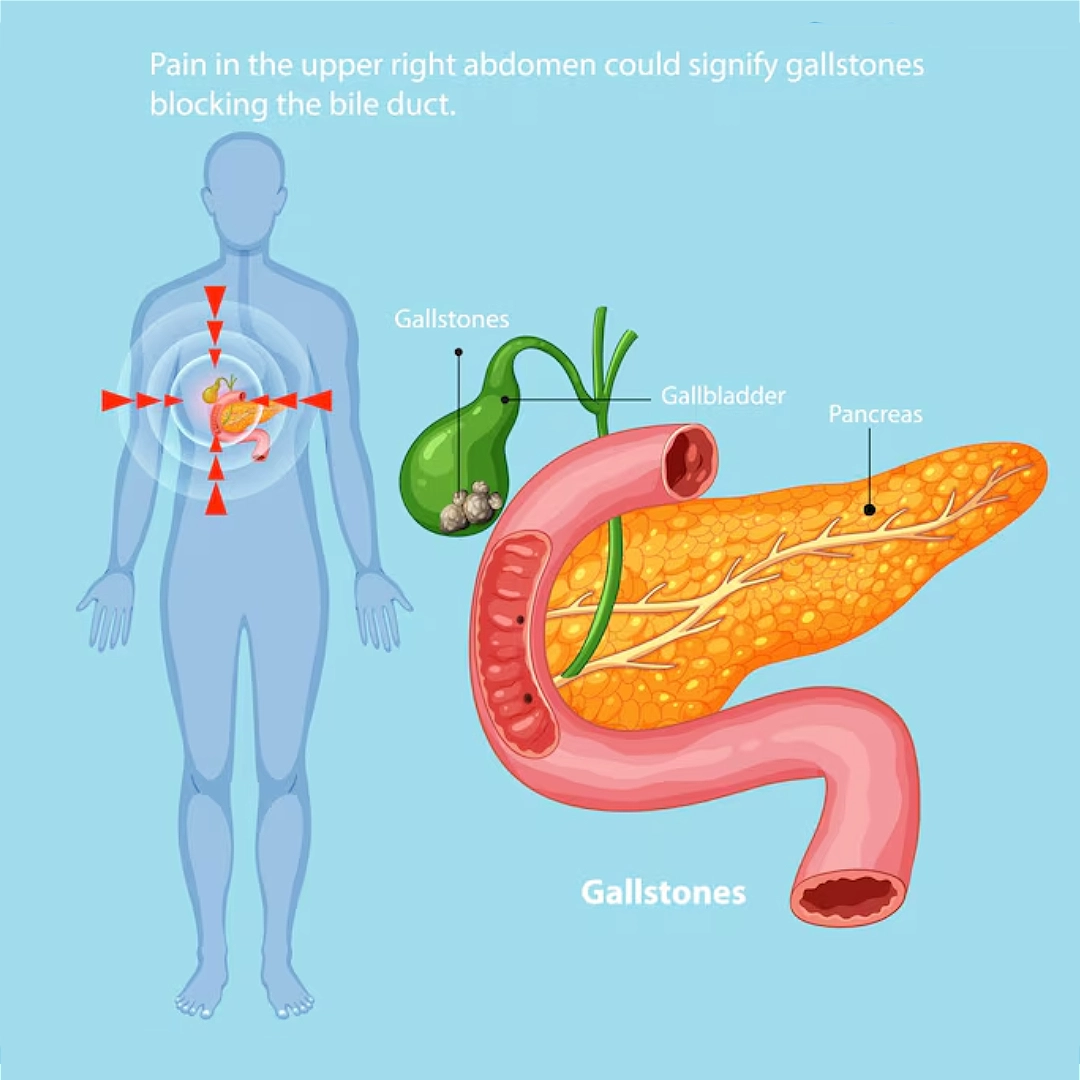
Gallbladder surgery (cholecystectomy) is performed to treat gallstones or inflammation of the gallbladder. The operation is usually carried out laparoscopically through several small incisions in the abdomen.
A camera and instruments are inserted to carefully separate and remove the gallbladder. The procedure helps relieve symptoms such as abdominal pain, nausea, and digestive discomfort caused by gallstones. Most patients can return home the same day or shortly after surgery.
Robotic Surgery
Robotic surgery is an advanced, minimally invasive technique that allows surgeons to perform complex procedures with enhanced precision and control. The operation is carried out through small incisions using robotic instruments controlled by the surgeon from a specialised console.
The robotic system provides a magnified, high-definition 3D view of the surgical area and allows for greater flexibility of movement compared to standard laparoscopic instruments. Benefits may include smaller scars, reduced pain, shorter hospital stay, and quicker recovery time.

Personalized
Your Consultation Journey: What to Expect
We guide you through every step, from initial consultation to post-operative care. Our team ensures clear communication and personalized attention for your peace of mind.
Trusted by Patients
Where Compassion Meets Care
About Us
Consultant-led clinic providing expert surgical care with a focus on patient well-being.
Treatment for
Our Branches
Spire South Bank Hospital:
139 Bath Rd, Worcester, WR5 3YB, UK
©2026 EliteSurgix. All rights reserved